Understanding the Connection Between Orthodontics and Rest
The relationship between orthodontic treatment and sleep quality represents a fascinating intersection of dental science and overall wellbeing. Whilst many people associate braces Liverpool with straightening teeth and improving smiles, fewer realise the profound impact that orthodontic interventions can have on breathing patterns and nocturnal rest. The positioning of teeth, jaw alignment, and oral structures play crucial roles in determining how efficiently air flows through the respiratory passages during sleep, making orthodontic treatment far more significant than purely cosmetic enhancement.
Sleep quality affects virtually every aspect of human health, from cognitive function to immune system performance. When breathing patterns become compromised during sleep, the consequences can range from mild snoring to severe obstructive sleep apnoea. Orthodontic treatment addresses many of the structural issues that contribute to these problems, offering patients improvements that extend well beyond their waking hours. Understanding these connections helps individuals make informed decisions about their dental care and appreciate the comprehensive benefits that orthodontic intervention can provide.
The Mechanics of Breathing and Jaw Alignment
Proper jaw alignment serves as the foundation for healthy breathing patterns. When the upper and lower jaws sit in their optimal positions, the airway remains open and unobstructed, allowing for smooth, unrestricted breathing during both waking and sleeping hours. Malocclusions, or misalignments of the teeth and jaws, can narrow the airway space, creating resistance that forces the respiratory system to work harder. This increased effort often manifests as snoring, mouth breathing, or interrupted sleep patterns that leave individuals feeling exhausted despite spending adequate time in bed.
The tongue position also plays a vital role in this equation. Research has demonstrated the relationship between orthodontic treatment and improved airway function, showing that when teeth are properly aligned, the tongue naturally rests in a position that supports rather than obstructs the airway. This optimal positioning becomes particularly important during sleep, when muscle tone decreases and the risk of airway collapse increases.
Orthodontic Solutions for Sleep-Related Breathing Disorders
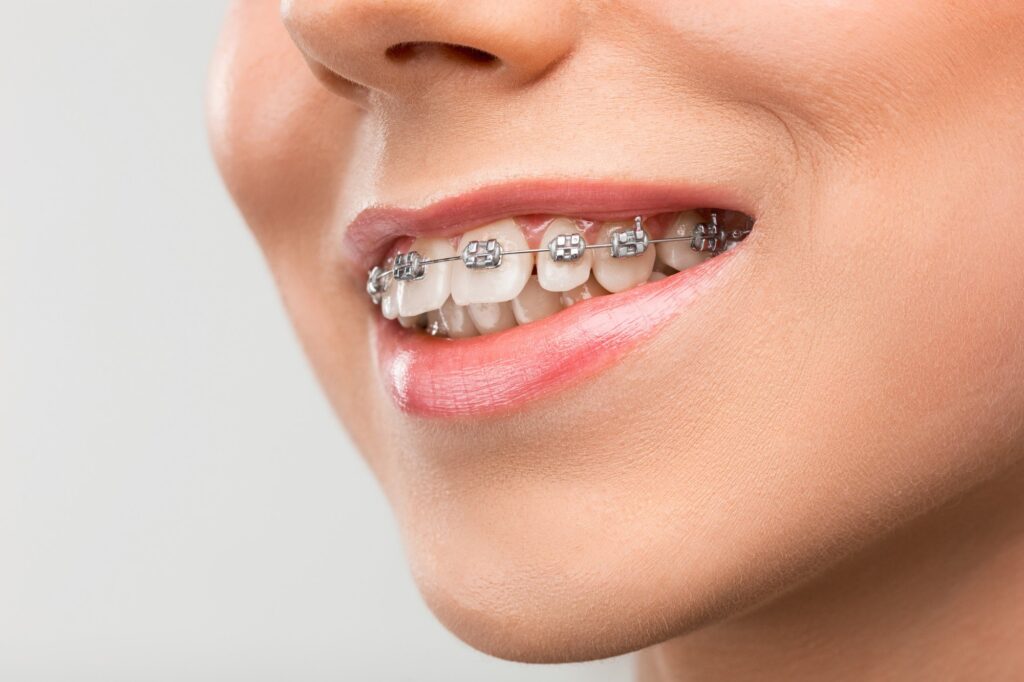
Modern orthodontic treatment offers several approaches to addressing sleep-related breathing difficulties. Traditional braces work systematically to reposition teeth and expand the dental arches, creating additional space within the oral cavity. This expansion can significantly increase airway volume, reducing the likelihood of obstruction during sleep. For patients experiencing mild to moderate sleep disturbances, these structural improvements often yield remarkable results without requiring more invasive interventions such as surgical procedures or continuous positive airway pressure devices.
Palatal expansion represents another valuable technique, particularly effective in younger patients whose bones remain more malleable. By gradually widening the upper jaw, orthodontists create additional room for the tongue and enhance nasal breathing capacity. The British Orthodontic Society recognises the role of orthodontics in managing snoring and sleep apnoea, highlighting how these treatments can complement other therapeutic approaches for comprehensive patient care.
Long-Term Benefits Beyond the Treatment Period
The advantages of orthodontic treatment extend far beyond the active phase of wearing braces. Once teeth and jaws achieve proper alignment, patients often experience sustained improvements in sleep quality that persist throughout their lives. Better breathing patterns contribute to deeper, more restorative sleep, which in turn supports cardiovascular health, mental clarity, and emotional stability. Many patients report feeling more energised during the day, experiencing fewer headaches, and enjoying improved concentration after completing their orthodontic journey.
Furthermore, orthodontic treatment has been shown to help manage sleep apnoea symptoms in numerous cases, offering patients a non-invasive pathway to better health. The structural changes achieved through braces treatments create lasting anatomical improvements that continue to facilitate healthy breathing patterns long after the appliances have been removed.
Final Thoughts on Orthodontics and Sleep Health
The influence of orthodontic treatment on sleep quality and breathing patterns represents a compelling reason to consider braces beyond aesthetic concerns. As research continues to illuminate the connections between oral structure and respiratory function, the value of orthodontic intervention becomes increasingly apparent. For individuals struggling with sleep disturbances or breathing difficulties, consulting with an orthodontic professional may reveal solutions that improve both dental health and overall quality of life, demonstrating that a straight smile often comes with unexpected and valuable health benefits.


